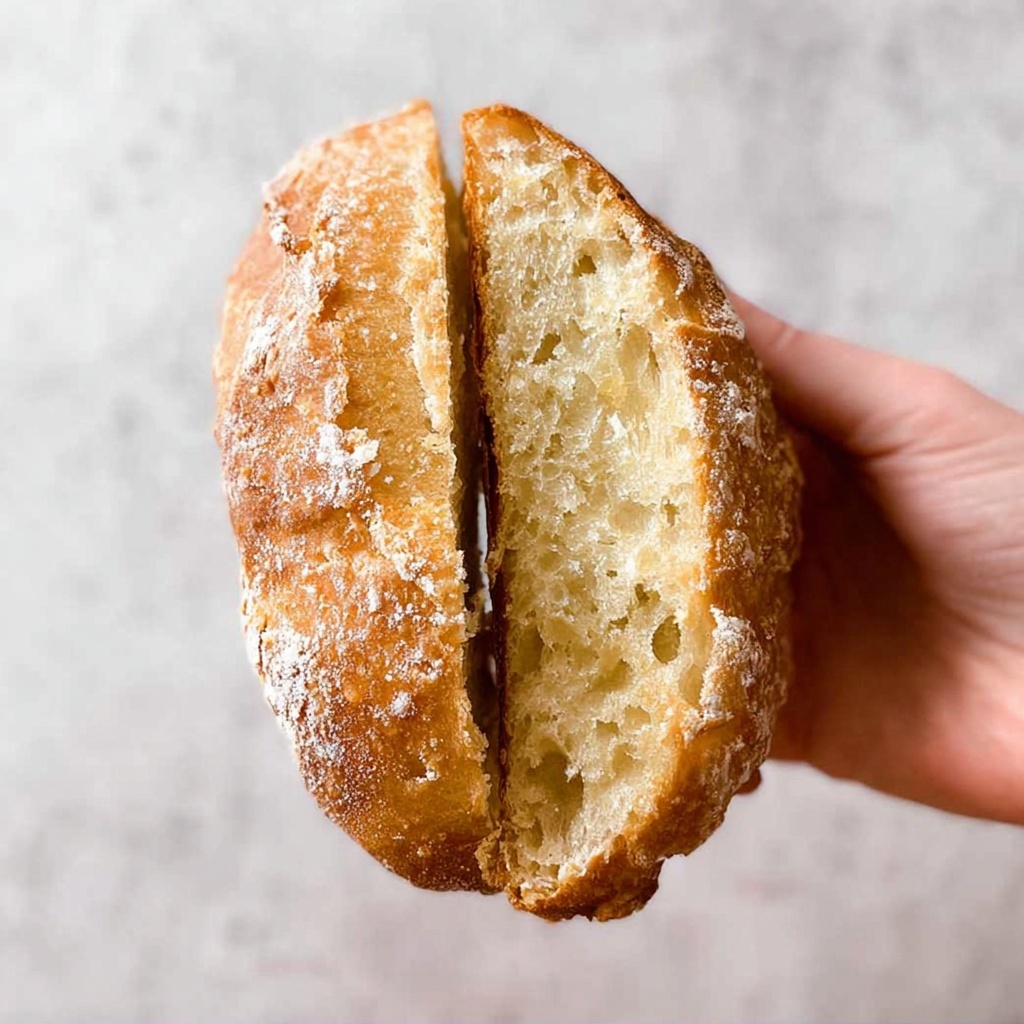
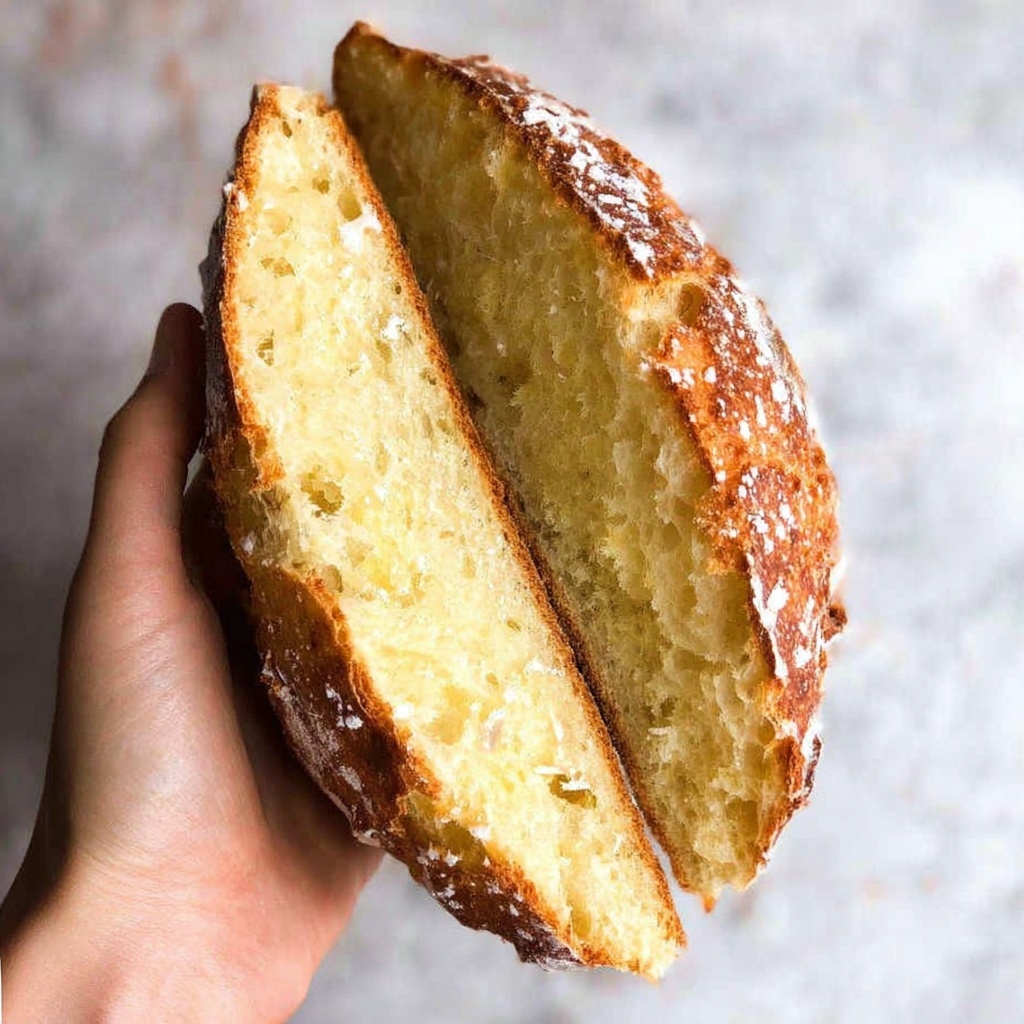
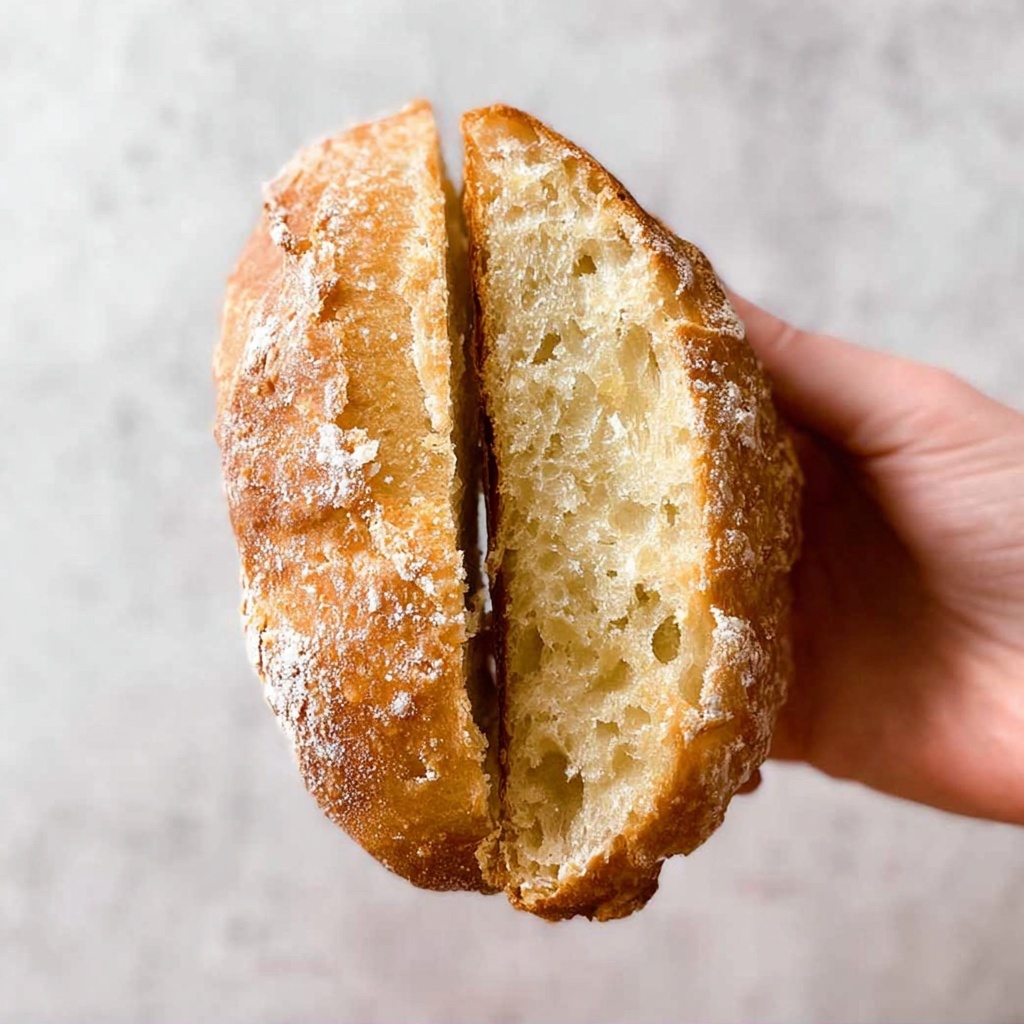
There is something truly magical about this No Knead Homemade French Bread Recipe that makes it an absolute kitchen favorite. It delivers that perfect crusty exterior with a tender, airy crumb inside, all without the fuss of vigorous kneading. No special equipment or ingredients are required, just a few pantry staples and a bit of patience as the dough quietly transforms into golden baguettes. This recipe is a wonderful way to bring the authentic taste of a French bakery right into your own home, impressing family and friends with minimal effort. Get ready to fall head over heels for the soulful simplicity of homemade bread that tastes way better than store-bought.
Ingredients You’ll Need
The beauty of this No Knead Homemade French Bread Recipe lies in its simplicity. With just a few essential ingredients, each playing its unique part, you’ll create a loaf that’s bursting with flavor, texture, and that irresistible golden color.
- 1 1/2 teaspoons active dry yeast: The tiny magic workers that help the dough rise and develop flavor, making your bread light and airy.
- 1 1/4 cups lukewarm water: Warm enough to wake up the yeast but not so hot as to kill it, water hydrates the flour and activates fermentation.
- 1/2 teaspoon white sugar: Just a hint of sweetness to feed the yeast and kickstart the rising process.
- 3 cups all-purpose flour: The structural backbone of your bread; it’s what gives bread its chewy, satisfying bite.
- 1 teaspoon salt: Balances the flavors and controls yeast activity while enhancing the bread’s aroma.
How to Make No Knead Homemade French Bread Recipe
Step 1: Make the Dough
Begin by stirring together the yeast, lukewarm water, and sugar in a large bowl. This mix wakes up the yeast and gently encourages fermentation, setting the stage for a perfect rise. Next, blend in the flour and salt just until the dough comes together—no need to fuss or knead. Cover it with a clean dish towel and let it rest at room temperature for two hours. During this quiet resting time, the dough’s flavors deepen and the gluten forms naturally, giving your bread its tender crumb and delightful texture.
Step 2: Cut the Dough
After your dough has doubled in size and feels bubbly, preheat your oven to a sizzling 465°F. Pop a rimmed cookie sheet onto the lowest oven rack to prepare for steam later, which helps develop a crispy crust. Generously flour a clean work surface to prevent sticking, then carefully tip out your risen dough without deflating it too much. Slice the dough into three evenly sized, elongated pieces—cutting two pieces if you prefer larger baguettes. This step shapes the bread’s classic form and lets you personalize the size to your liking.
Step 3: Shape the Bread
Gently transfer the dough pieces into a French bread pan, if you have one, to help them hold that iconic baguette shape. But don’t worry if you don’t—this recipe shines even without specialized pans! I’ve often shaped and baked my loaves freeform on a baking sheet with fantastic results. The key is to handle the dough with care to preserve those precious air bubbles that give French bread its lovely chewiness and airy feel.
Step 4: Bake
To create that perfect crust, fill the rimmed cookie sheet preheated in your oven with water. The steam produced creates a slightly moist environment that helps the crust become irresistibly crisp and golden. Place your shaped dough on the middle oven rack and bake for 20 to 25 minutes. If you chose two larger loaves, extend the baking time slightly to 25–30 minutes. Once the tops are crusty and bronzed, carefully flip the loaves upside down and move them to the upper-middle rack for five more minutes. This step ensures an evenly browned, crisp crust all around, including the bottom for that authentic bakery finish.
How to Serve No Knead Homemade French Bread Recipe
Garnishes
Nothing beats the aroma of freshly baked French bread just out of the oven. To elevate your loaf even further, consider brushing the warm bread with melted butter or a drizzle of olive oil. Sprinkle on flaky sea salt or fresh herbs like rosemary for an extra layer of flavor that will entice everyone’s taste buds at the table.
Side Dishes
This No Knead Homemade French Bread Recipe pairs beautifully with countless meals. Serve it alongside creamy soups, hearty stews, or fresh garden salads. It’s also divine dipped in olive oil and balsamic vinegar or used to soak up rich sauces. Its versatility means it can complement everything from humble weeknight dinners to elegant gatherings.
Creative Ways to Present
Feeling a bit fancy? Slice your French bread into thick slabs and toast them for crostini topped with garlic, tomatoes, or cheese. Or transform your loaf into a rustic sandwich centerpiece stacked with meats and crisp veggies. No matter how you serve it, this bread will always steal the spotlight.
Make Ahead and Storage
Storing Leftovers
If you happen to have any leftovers, wrap the bread tightly in a clean kitchen towel or store in a paper bag to maintain the crust’s crispness. Keep it at room temperature for up to two days to enjoy fresh-baked flavors without sogginess.
Freezing
To keep your bread fresh longer, slice and freeze it in an airtight bag. This way, you can toast slices directly from the freezer for a quick fix anytime. Frozen bread maintains great texture and flavor for up to three months, making this recipe perfect for meal prepping or special occasions.
Reheating
When ready to enjoy, reheat your bread in a preheated oven at 350°F for about 10 minutes wrapped loosely in foil, or toast individual slices to revive that freshly baked crust and soft interior. Avoid microwaving as it tends to soften the crust and reduce the wonderful texture.
FAQs
Can I use whole wheat flour for this recipe?
Absolutely! Substituting part or all of the all-purpose flour with whole wheat will give your bread a nuttier flavor and denser texture. Just keep in mind whole wheat absorbs more water, so you might need to add a bit more water to keep the dough slightly sticky.
Do I really need to preheat a rimmed cookie sheet with water in it?
Yes, this is a fantastic trick to create steam in the oven, which is essential for developing that crisp, crackly crust typical of French bread. If you skip this step, the crust may come out softer and less chewy.
Is it necessary to flip the bread during baking?
Flipping the bread near the end ensures that the bottom crust gets evenly browned and crusty too. It might sound unusual, but it truly elevates the bread’s texture and prevents a pale, soggy bottom.
How can I tell when the bread is fully baked?
Look for a deep golden-brown crust on top and bottom. If you tap the loaf, it should sound hollow inside. Additionally, the baking times provided are reliable guides, but ovens vary, so trust your senses for the best results.
Can I make this recipe vegan?
Yes! The classic No Knead Homemade French Bread Recipe is naturally vegan since it contains no animal products, making it an ideal choice for everyone. Just ensure your yeast does not contain any non-vegan additives, which is rare but worth checking.
Final Thoughts
There is truly something special about baking bread from scratch, and this No Knead Homemade French Bread Recipe makes the experience approachable and joyous. With minimal ingredients and effort, you can create a loaf that is bursting with flavor, perfectly crusty, and irresistibly soft inside. I encourage you to roll up your sleeves and give it a try—baking this bread at home might just become your new favorite kitchen ritual.
Print
No Knead Homemade French Bread Recipe
- Prep Time: 5 minutes
- Cook Time: 25-30 minutes
- Total Time: 2 hours 35 minutes
- Yield: 3 standard-sized loaves
- Category: Bread
- Method: Baking
- Cuisine: French
Description
This No Knead Homemade French Bread recipe delivers classic crusty baguettes with minimal effort. Using an easy mix-and-rest method, the dough requires no kneading, making it perfect for beginners or anyone craving fresh bakery-style bread at home. The bread is baked with steam in the oven for an authentic crispy crust and tender crumb.
Ingredients
Yeast Mixture
- 1 1/2 teaspoons active dry yeast
- 1 1/4 cups lukewarm water
- 1/2 teaspoon white sugar
Dough
- 3 cups all-purpose flour
- 1 teaspoon salt
Instructions
- Make the dough: Stir the yeast, lukewarm water, and sugar together in a large bowl until combined. Add the flour and salt, mixing just until the ingredients are fully incorporated. Cover the bowl with a clean dish towel and let the dough rest at room temperature for 2 hours to allow it to rise and develop flavor.
- Cut the dough: Once the dough has risen, preheat your oven to 465°F (240°C). Place a rimmed cookie sheet on the lowest rack of your oven. Generously flour a clean work surface. Carefully turn the dough out onto the surface, taking care not to deflate it. Cut the dough into three equal, long pieces for standard-sized baguettes, or two pieces if you prefer larger loaves.
- Shape the bread: Carefully transfer each piece of dough into a French bread pan. If you do not have a French bread pan, you can shape the pieces into baguette form freehand and place them on a baking sheet lined with parchment paper.
- Bake: Pour water into the rimmed cookie sheet in the oven to create steam, which helps form a crisp crust. Immediately place the bread pan or shaped dough on the middle rack and bake for 20-25 minutes (or 25-30 minutes for two larger baguettes) until the tops are crusty and golden. Flip the bread upside down onto the upper-middle rack and bake for an additional 5 minutes until the bottoms are browned and crusty as well.
Notes
- Using a French bread pan helps maintain the traditional baguette shape, but this recipe works perfectly without one—simply shape loaves freehand.
- Creating steam in the oven by adding water to a rimmed pan produces a crusty exterior similar to bakery-style bread.
- Be careful when handling the dough to preserve the air bubbles developed during the resting period, ensuring a light and airy crumb.
- Let the bread cool completely on a wire rack before slicing to maintain the texture and prevent gumminess.