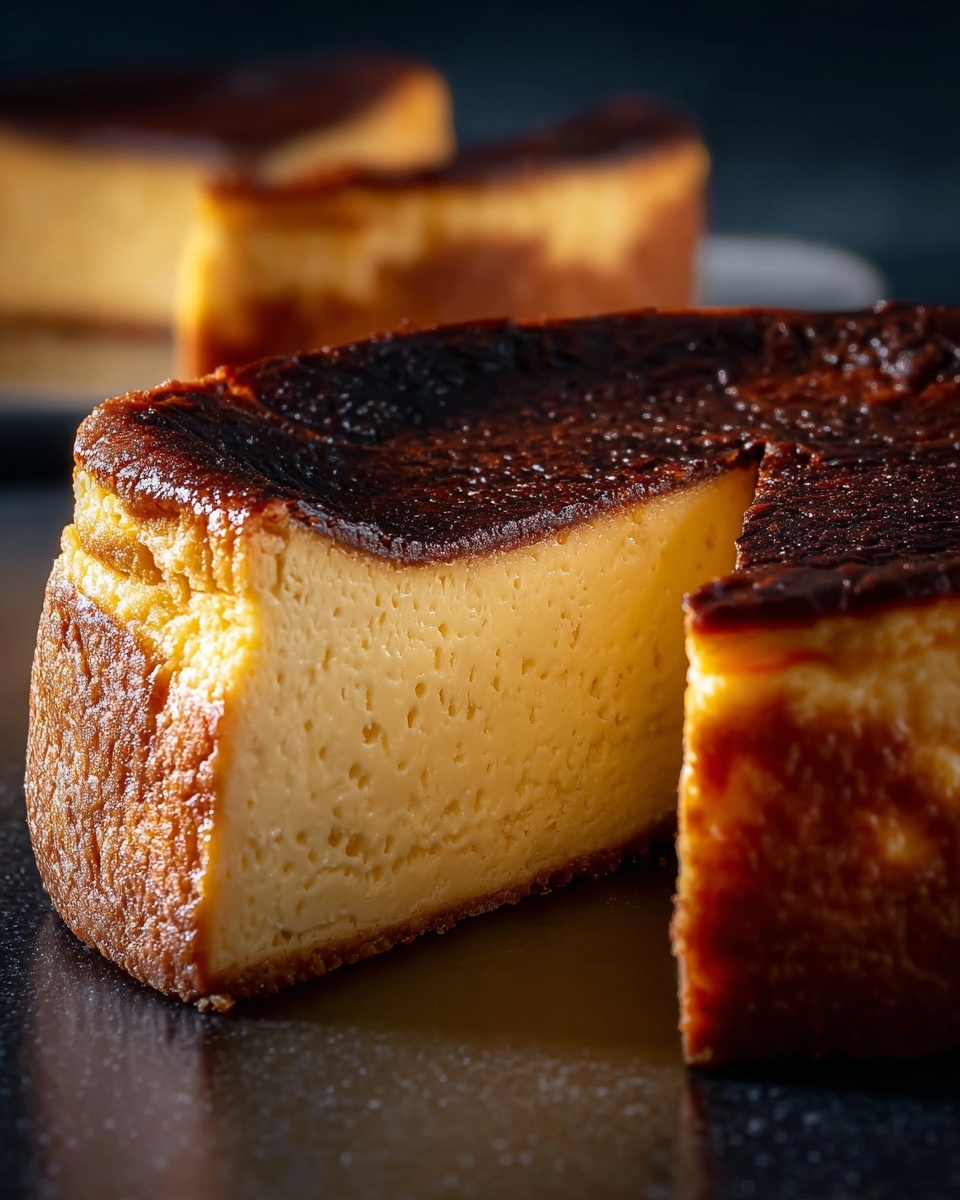
If you have a love for rich, creamy desserts that bring a touch of sophistication to your table without any fuss, then this Basque Cheesecake Recipe is about to become your new favorite. Originating from the Basque region of Spain, this cheesecake stands out with its beautifully burnt top and lusciously soft interior. It’s an effortlessly elegant dessert that marries a caramelized exterior with a velvety center, making every bite an indulgent experience. Whether you’re baking for a special occasion or a treat-yourself moment, this Basque Cheesecake Recipe will amaze you with its simplicity and impressive flavor.

Ingredients You’ll Need
The magic of the Basque Cheesecake Recipe lies in its straightforward ingredients. Each one plays a crucial role in creating the texture and taste that make this cheesecake unforgettable. From the tangy cream cheese to the subtle hint of vanilla, every item is essential and works harmoniously.
- Cream cheese (2 lbs): The rich base for a creamy, smooth cheesecake texture.
- Granulated sugar (1 1/2 cups): Sweetens the cheesecake while helping achieve that caramelized top.
- Large eggs (6): Added one by one to build structure and richness without heaviness.
- Heavy cream (2 cups): Makes the cheesecake luxuriously smooth and melt-in-your-mouth tender.
- All-purpose flour (1/4 cup): Provides just enough body and helps hold the cheesecake together.
- Salt (1/2 teaspoon): Enhances all the flavors and balances the sweetness perfectly.
- Vanilla extract (1 teaspoon): Infuses a gentle warmth that elevates the overall taste profile.
How to Make Basque Cheesecake Recipe
Step 1: Prepare Your Oven and Pan
First things first, preheat your oven to 400°F (200°C). The high heat is key to developing that iconic deeply golden and slightly burnt exterior that makes this cheesecake so unique. Line a 9-inch springform pan with parchment paper, allowing some overhang on all sides – this will help when it’s time to remove your masterpiece.
Step 2: Beat the Cream Cheese and Sugar
In a large bowl, beat your room temperature cream cheese and granulated sugar together until the mixture is beautifully smooth and creamy. This step is crucial because a lump-free base ensures that luscious texture we’re after.
Step 3: Add Eggs Gradually
Add your eggs one at a time, mixing thoroughly after each addition. This slow incorporation helps the batter stay smooth rather than curdling or becoming grainy, which can happen if you rush.
Step 4: Incorporate Cream, Vanilla, and Salt
Next, pour in the heavy cream along with the vanilla extract and salt. These ingredients add richness and subtle flavor complexities, making the cheesecake both indulgent and perfectly balanced.
Step 5: Sift in the Flour
Sifting the flour over your batter before blending it in prevents any clumps, which keeps the cheesecake silky and smooth without any unexpected flour pockets.
Step 6: Pour and Tap
Pour the creamy batter into your prepared pan. Give the pan a gentle tap on the counter a few times to pop any trapped air bubbles. This helps create a uniform texture without holes in your finished cake.
Step 7: Bake to Perfection
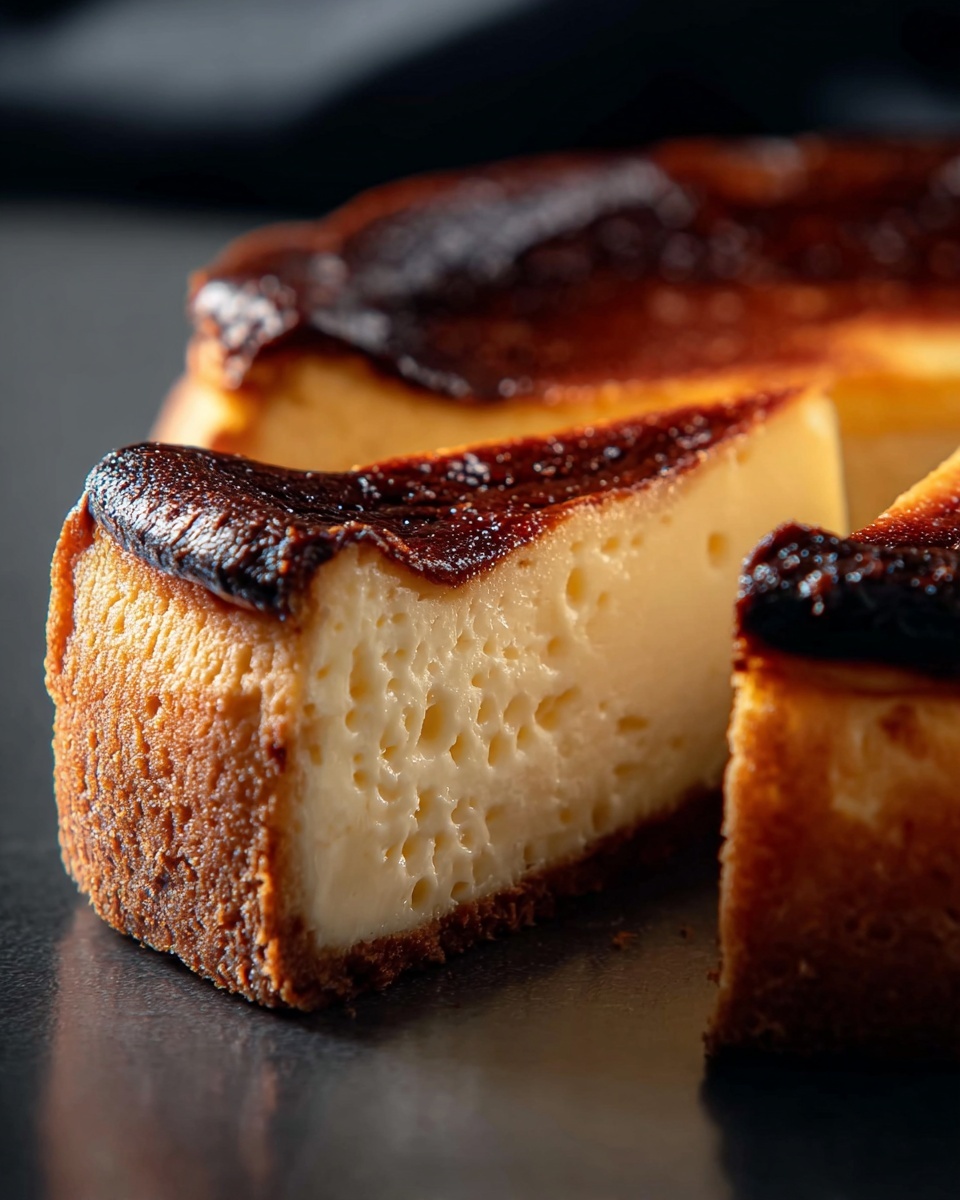
Bake for 50 to 60 minutes. Watch for that deep golden brown top; it should look caramelized but not burnt. The center will still jiggle a bit—this wobble is a good sign it will be creamy once cooled.
Step 8: Cool and Chill
Allow your cheesecake to cool completely at room temperature. After that, refrigerate it for at least four hours or, better yet, overnight. This chilling step sets the luscious texture and makes slicing much easier.
How to Serve Basque Cheesecake Recipe
Garnishes
This cheesecake is stunning on its own, but if you want to add a little something extra, fresh berries lend a bright contrast, and a dollop of lightly whipped cream or a sprinkle of powdered sugar can add a nice touch of elegance. A drizzle of honey or a light dusting of cinnamon also complements the caramel notes beautifully.
Side Dishes
Pairing your Basque Cheesecake Recipe with fresh fruit salads or even a simple cup of strong coffee makes for a delightful dessert spread. A glass of dessert wine or a mild, creamy tea also brings out the flavors deliciously without overpowering the cake’s subtle richness.
Creative Ways to Present
Serve individual slices on a rustic wooden board with edible flowers for a charming look. You can also place small portions on dainty plates topped with a spoonful of compote or citrus zest to elevate presentation for special gatherings. The parchment paper itself makes an attractive lining that reinforces the homemade appeal.
Make Ahead and Storage
Storing Leftovers
Once refrigerated, your Basque Cheesecake Recipe will keep perfectly for up to 4 days. Keep it tightly covered with plastic wrap or in an airtight container to prevent it from picking up fridge odors and to maintain its creamy texture.
Freezing
If you want to store it longer, the cheesecake freezes well. Wrap it carefully in plastic wrap and then foil before placing in the freezer. It can be frozen for up to 2 months. Thaw overnight in the refrigerator before serving for best results.
Reheating
While the cheesecake is usually enjoyed chilled, if you prefer it slightly warmed, gently heat slices in the microwave for 15 to 20 seconds. Avoid overheating as the texture can change. A warmed slice with a scoop of ice cream on the side can be heavenly!
FAQs
What makes Basque cheesecake different from regular cheesecake?
The hallmark of Basque cheesecake is its deeply caramelized, almost burnt top combined with a creamy interior. Unlike traditional cheesecakes, this recipe uses heavy cream instead of sour cream and bakes at a higher temperature, resulting in its signature texture and flavor.
Can I substitute any ingredients in the Basque Cheesecake Recipe?
For the most authentic results, it’s best to stick with cream cheese, heavy cream, and the other ingredients listed. Substituting sour cream or Greek yogurt changes the texture. However, some have successfully used light cream instead of heavy cream, though the cheesecake may be less rich.
Do I need a special pan to bake this cheesecake?
A 9-inch springform pan lined with parchment paper is recommended because the parchment helps the cake release easily and the springform allows you to remove it without disturbing the delicate sides. You can try a regular cake pan, but removal might be trickier.
Why does the center of the cheesecake jiggle after baking?
The slight jiggle indicates that the cheesecake’s center is perfectly soft and creamy. It firms up as it cools and chills, so don’t worry if it looks underdone while still warm.
Can I make smaller individual Basque cheesecakes?
Absolutely! You can divide the batter into smaller ramekins or muffin tins for mini versions. Adjust baking time accordingly, usually around 20–30 minutes, keeping an eye on that golden top and jiggle.
Final Thoughts
This Basque Cheesecake Recipe feels like a little secret you want to share over and over again with friends and family because it truly hits the sweet spot of easy yet impressive desserts. It’s a perfect balance of rustic charm and creamy indulgence that will brighten any gathering or satisfy your dessert cravings on a quiet night in. Give it a try—you might just wonder how you ever lived without it.
Print
Basque Cheesecake Recipe
- Prep Time: 15 minutes
- Cook Time: 55 minutes
- Total Time: 4 hours 10 minutes (including chilling time)
- Yield: 10 servings
- Category: Dessert
- Method: Baking
- Cuisine: Spanish
Description
This rich and creamy Basque Cheesecake features a deeply caramelized top with a smooth, custard-like center. Originating from Spain’s Basque region, this no-crust cheesecake is straightforward to prepare and delivers a perfect balance of sweetness and tangy cream cheese flavor, ideal for dessert lovers seeking a unique twist on traditional cheesecake.
Ingredients
Cheesecake
- 2 lbs cream cheese, room temperature
- 1 1/2 cups granulated sugar
- 6 large eggs
- 2 cups heavy cream
- 1/4 cup all-purpose flour
- 1/2 teaspoon salt
- 1 teaspoon vanilla extract
Instructions
- Prepare Oven and Pan: Preheat your oven to 400°F (200°C). Line a 9-inch springform pan with parchment paper, ensuring the paper extends over the edges to help with easy removal and to protect the pan.
- Beat Cream Cheese and Sugar: In a large mixing bowl, beat the cream cheese and granulated sugar together until the mixture is smooth, creamy, and free of lumps, which is essential for a silky texture.
- Add Eggs: Incorporate the eggs one at a time, mixing well after each addition to ensure a well-blended batter that will rise evenly during baking.
- Combine Remaining Liquids: Pour in the heavy cream, add vanilla extract, and salt; mix these into the batter until fully combined for enhanced flavor and richness.
- Sift and Mix Flour: Sift the all-purpose flour into the mixture and blend until the batter is smooth and lump-free, which helps create the cheesecake’s delicate structure.
- Transfer Batter and Remove Air Bubbles: Pour the batter into the prepared springform pan and tap the pan gently on the counter to release any trapped air bubbles for even baking.
- Bake the Cheesecake: Place the pan in the oven and bake for 50–60 minutes. Bake until the top is deeply golden brown and caramelized while the center remains slightly jiggly, which indicates the perfect creamy consistency.
- Cool and Chill: Allow the cheesecake to cool completely at room temperature, then refrigerate it for a minimum of 4 hours or preferably overnight. Chilling sets the texture and flavors before slicing and serving.
Notes
- Ensure the cream cheese is at room temperature to avoid lumps in the batter.
- Do not overbake; the center should still jiggle slightly when done for the perfect custard texture.
- Use parchment paper generously to prevent sticking and ease removal.
- Chilling overnight enhances flavor and helps the cheesecake set firmly for clean slices.