
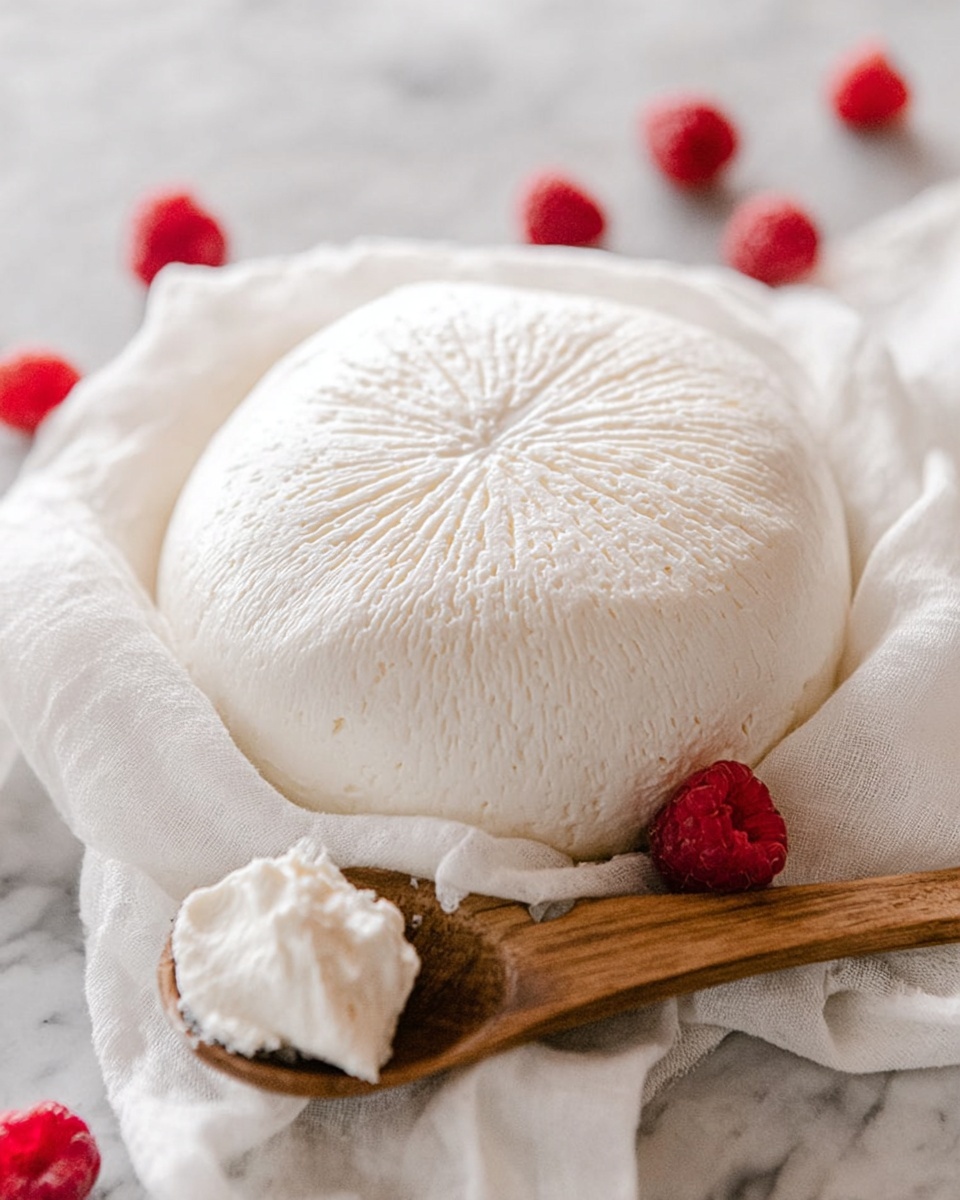
If you’ve ever wanted to try your hand at making a traditional homemade cheese that’s creamy, tangy, and downright delightful, then this Farmers Cheese with Greek Yogurt (Tvorog) Recipe is about to become your new kitchen favorite. This rich and velvety cheese showcases the perfect marriage between whole milk and luscious Greek yogurt, resulting in a soft curd cheese that’s incredibly versatile — perfect for spreading, baking, or enjoying simply on its own. Whether you’re a seasoned cheese maker or a curious foodie, this recipe invites you to slow down and create something truly special from just a few humble ingredients.
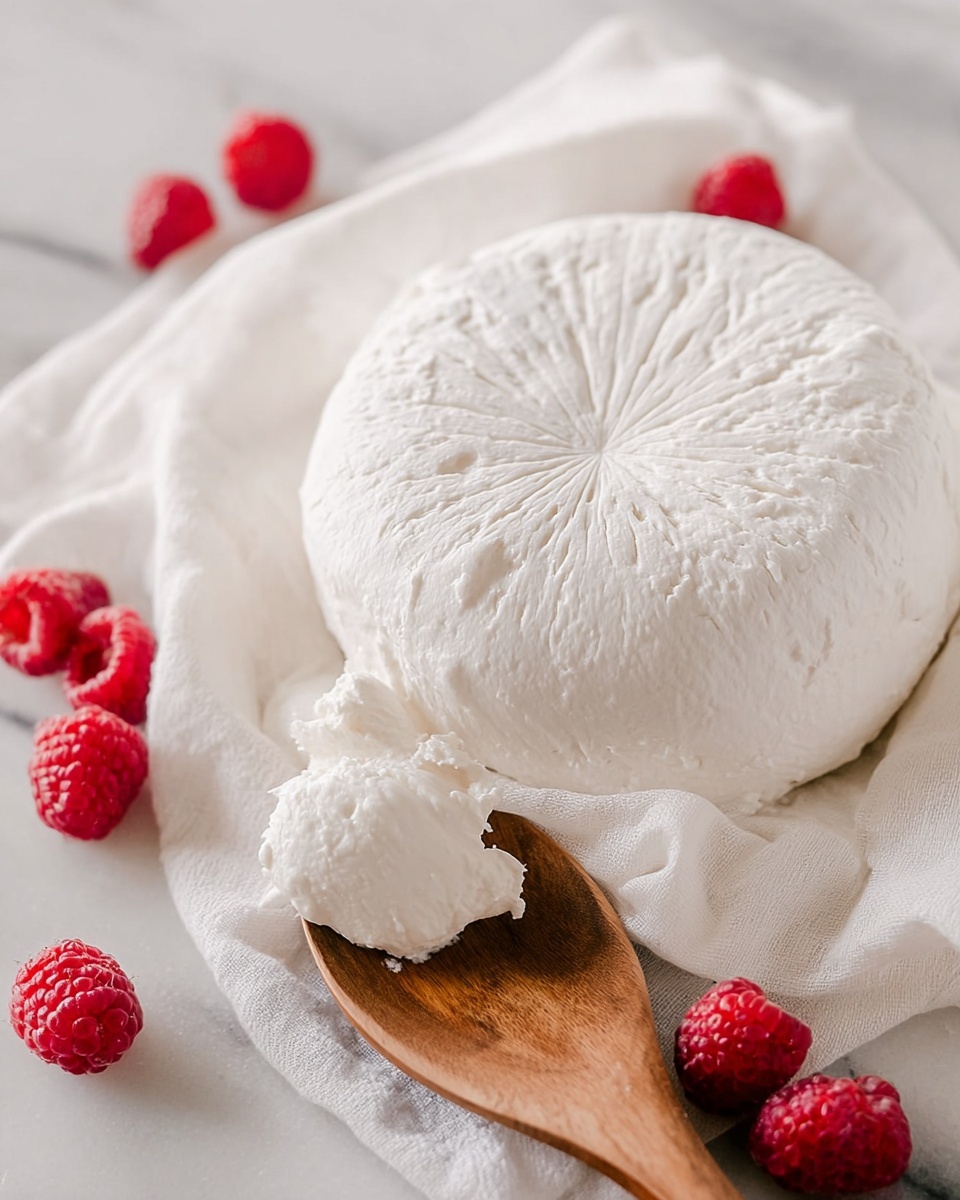
Ingredients You’ll Need
To create this luscious Farmers Cheese with Greek Yogurt (Tvorog) Recipe, you’ll use a handful of simple, quality ingredients. Each component plays a key role in building the texture and flavor that makes this cheese so irresistible.
- Whole milk (1 gallon, preferably organic, room temp): The rich, creamy base that forms the structure of your cheese curds.
- Full fat Greek yogurt (35 oz tub, room temp): Adds natural cultures that help thicken and develop the unique tang of the cheese.
- Sour cream (2 tablespoons): Gives an extra touch of creaminess and depth to the flavor profile.
How to Make Farmers Cheese with Greek Yogurt (Tvorog) Recipe
Step 1: Prepare the Milk and Culture
Start by bringing your whole milk to room temperature. This gentle warming is essential for the cultures in the Greek yogurt and sour cream to work their magic during fermentation. Mix the Greek yogurt and sour cream in a separate bowl until smooth, then whisk this mixture into the milk. This blend introduces the bacteria that will curdle the milk slowly over the next 72 hours, turning it into that soft, tangy curd you’re after.
Step 2: Allow the Milk to Set
Cover your mixture loosely with a clean kitchen towel and leave it in a warm spot for about three days. This waiting time lets the bacteria coax the milk into turning thick and creamy, developing the classic flavor and consistency that make Farmers Cheese with Greek Yogurt (Tvorog) so beloved. Try not to disturb it during this period — patience here truly pays off.
Step 3: Gently Heat and Separate Curds
After fermentation, gently warm the thickened milk on low heat, stirring carefully. You’ll notice the curds beginning to separate from the whey — this is the moment your cheese truly starts to come alive. Heating should be slow and gentle to prevent breaking down the curds too much, preserving that silky texture you want.
Step 4: Strain and Press the Cheese
Line a fine-mesh strainer or colander with a clean cheesecloth and slowly pour in your curdled milk. Allow the whey to drain naturally. Depending on your preferred texture, you can press the cheese lightly with a weight for firmer curds or let it drain longer for a softer cheese. Once drained, transfer your fresh Farmers Cheese with Greek Yogurt (Tvorog) into a container and store it in the fridge until you’re ready to enjoy.
How to Serve Farmers Cheese with Greek Yogurt (Tvorog) Recipe

Garnishes
One of the best things about this cheese is how beautifully it pairs with simple garnishes. Sprinkle on freshly cracked black pepper, a drizzle of honey, or a handful of chopped fresh herbs like dill or chives to enhance both the flavor and presentation. A pinch of smoked paprika can add a subtle warmth that’s simply irresistible.
Side Dishes
This Farmers Cheese with Greek Yogurt (Tvorog) Recipe shines alongside crunchy rustic breads, fresh seasonal fruits like berries or sliced figs, and even roasted vegetables. Its fresh tanginess cuts through richer dishes, making it an excellent partner for grilled sausages or lightly charred asparagus.
Creative Ways to Present
Think beyond the spread! Whip the cheese with a touch of olive oil and lemon zest for a creamy dip, or crumble it over salads and baked potatoes for bursts of tangy creaminess. You can also use it in stuffed pastries or dollop it onto warm pancakes for a delightful breakfast twist.
Make Ahead and Storage
Storing Leftovers
Store any leftover Farmers Cheese with Greek Yogurt (Tvorog) in an airtight container in the refrigerator. It typically stays fresh for up to a week and maintains its creamy texture and fresh flavor when chilled properly.
Freezing
If you want to keep this delicious cheese longer, you can freeze it for up to two months. Be aware that freezing might slightly alter the texture, making it a bit crumbly once thawed, but the flavor remains wonderfully intact for use in cooking or baking.
Reheating
This cheese is generally best enjoyed cold or at room temperature. However, if you are incorporating it into warm dishes, add it towards the end of cooking to maintain its creamy texture without overheating or breaking down.
FAQs
Can I use low-fat milk or yogurt to make this cheese?
While you can experiment with lower-fat options, using full-fat milk and yogurt gives you the richest flavor and creamiest texture. Low-fat versions often yield drier, less luscious cheese.
How long does the fermentation process take?
The milk mixture should ferment for about 72 hours at room temperature. This slow culturing develops the classic tang and consistency characteristic of Farmers Cheese with Greek Yogurt (Tvorog).
What is the difference between Farmers Cheese and Tvorog?
Farmers Cheese and Tvorog are essentially the same fresh curd cheese, with “Tvorog” being the traditional Eastern European name. Both are soft white cheeses made by curdling milk with live cultures.
Can I add herbs or spices directly into the cheese during making?
It’s best to add herbs or spices after the cheese is fully set and strained. Adding them early can interfere with the fermentation process or alter the texture undesirably.
What can I substitute for sour cream in the recipe?
If you don’t have sour cream, you can use crème fraîche or even extra Greek yogurt, but sour cream provides a unique tang and creaminess that enhances the final flavor.
Final Thoughts
There’s something truly magical about transforming simple ingredients into a homemade Farmers Cheese with Greek Yogurt (Tvorog) Recipe, and I’m so excited for you to experience it yourself. Whether spread on toast, folded into recipes, or enjoyed plain, this fresh cheese brings warmth and comfort to any table. Give it a try — your taste buds will thank you.
Print
Farmers Cheese with Greek Yogurt (Tvorog) Recipe
- Prep Time: 4320m
- Cook Time: 122m
- Total Time: 4442m
- Yield: 9.9 cups
- Category: Cheese Making
- Method: No-Cook
- Cuisine: Eastern European
Description
This creamy and tangy Farmers Cheese recipe uses whole milk, full-fat Greek yogurt, and sour cream to create a rich homemade tvorog. The process involves gentle warming, culturing, and straining to produce a fresh cheese perfect for spreads, baking, or cooking.
Ingredients
Milk Mixture
- 1 gallon whole milk (preferably organic, room temperature)
- 35 oz large tub full fat Greek yogurt, room temperature
- 2 Tbsp sour cream
Instructions
- Combine Ingredients: In a large pot or bowl, mix the room temperature whole milk, Greek yogurt, and sour cream thoroughly to ensure even culturing.
- Fermentation: Cover the mixture loosely and let it sit at room temperature (around 70-75°F) for 72 hours (3 days). This allows the dairy cultures from the yogurt and sour cream to ferment the milk, thickening it into curds and whey.
- Heating and Curdling: After fermentation, gently heat the mixture on low to medium heat, stirring occasionally, until it reaches about 120-130°F over approximately 2 hours. This helps the curds separate more distinctly from the whey.
- Straining the Curds: Line a colander with cheesecloth and pour the curdled mixture into it. Allow the whey to drain for 6-8 hours or overnight in the refrigerator until you achieve a thick, spreadable consistency for the farmers cheese.
Notes
- Ensure milk and cultures are at room temperature before mixing to encourage proper fermentation.
- Do not boil the milk mixture; gentle heating is key to avoid destroying beneficial cultures.
- The longer you strain, the thicker and drier the cheese will become.
- Store the finished farmers cheese in an airtight container in the refrigerator for up to one week.