Description
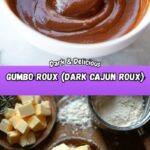
This classic Gumbo Roux recipe teaches you how to make a dark Cajun roux, an essential base for rich, flavorful gumbo and other Cajun dishes. By slowly cooking a simple combination of butter and flour, you develop deep, nutty flavors and a dark color that adds complexity to soups, sauces, and stews.
Ingredients
Scale
Roux Ingredients
- ½ cup butter (or oil)
- ½ cup all-purpose flour
Instructions
- Heat the Pan: Place a saucepan, skillet, or Dutch oven over medium-low heat to prepare for making the roux.
- Melt Butter or Heat Oil: Add ½ cup of butter or oil into the pan. If using butter, let it melt completely and wait until it begins to sizzle slightly before proceeding.
- Add Flour and Stir: Sprinkle ½ cup of all-purpose flour into the melted butter or oil and start stirring immediately. Keep stirring constantly to prevent burning. This stage forms a white roux, ideal for thickening soups and sauces.
- Cook to Blonde Roux: Continue stirring. After 3-5 minutes, the roux will thin and take on a light golden color, known as blonde roux, perfect for bechamel or sausage gravy.
- Cook to Light Brown Roux: Keep cooking and stirring for another 10-15 minutes, allowing the roux to turn a light brown color, enhancing its nutty flavor.
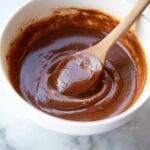
- Cook to Dark Brown Roux: Continue cooking for a total of 25-30 minutes, stirring frequently, to develop a dark brown roux. This is the desired color for authentic gumbo, with a deep, complex flavor.
- Store Leftover Roux: Allow the roux to cool, then store any leftovers in an airtight container in the refrigerator for up to one month.
Notes
- Use a heavy-bottomed pan like a Dutch oven or cast iron skillet to evenly distribute heat and prevent burning.
- Constant stirring is key to avoid scorching the roux, which can turn it bitter.
- You can substitute oil for butter if preferred; oil tends to be more forgiving at higher temperatures.
- Dark roux is traditional for gumbo, but adjust cooking time if you need a lighter roux for other recipes.
- The color of the roux indicates its flavor depth—lighter for mild sauces, darker for robust, deep flavors.