If you’ve ever been curious about adding a fresh, nutrient-packed burst of green to your meals, How to Grow Micro Sprouts Recipe is your perfect starting point. This simple yet rewarding process transforms tiny sprout seeds into vibrant microgreens right on your kitchen counter, filling your space with life and your dishes with flavor. Whether you’re a seasoned gardener or just beginning your culinary adventure, growing your own micro sprouts is an easy way to boost your health and add a crisp texture and bright color to everything from salads to sandwiches.
Ingredients You’ll Need
The beauty of this recipe lies in its simplicity. Each ingredient is essential, contributing not just to flavor and texture but also to the success of your sprouts. With just sprout seeds and a bit of patience, you’re on your way to cultivating fresh greens that elevate any dish.
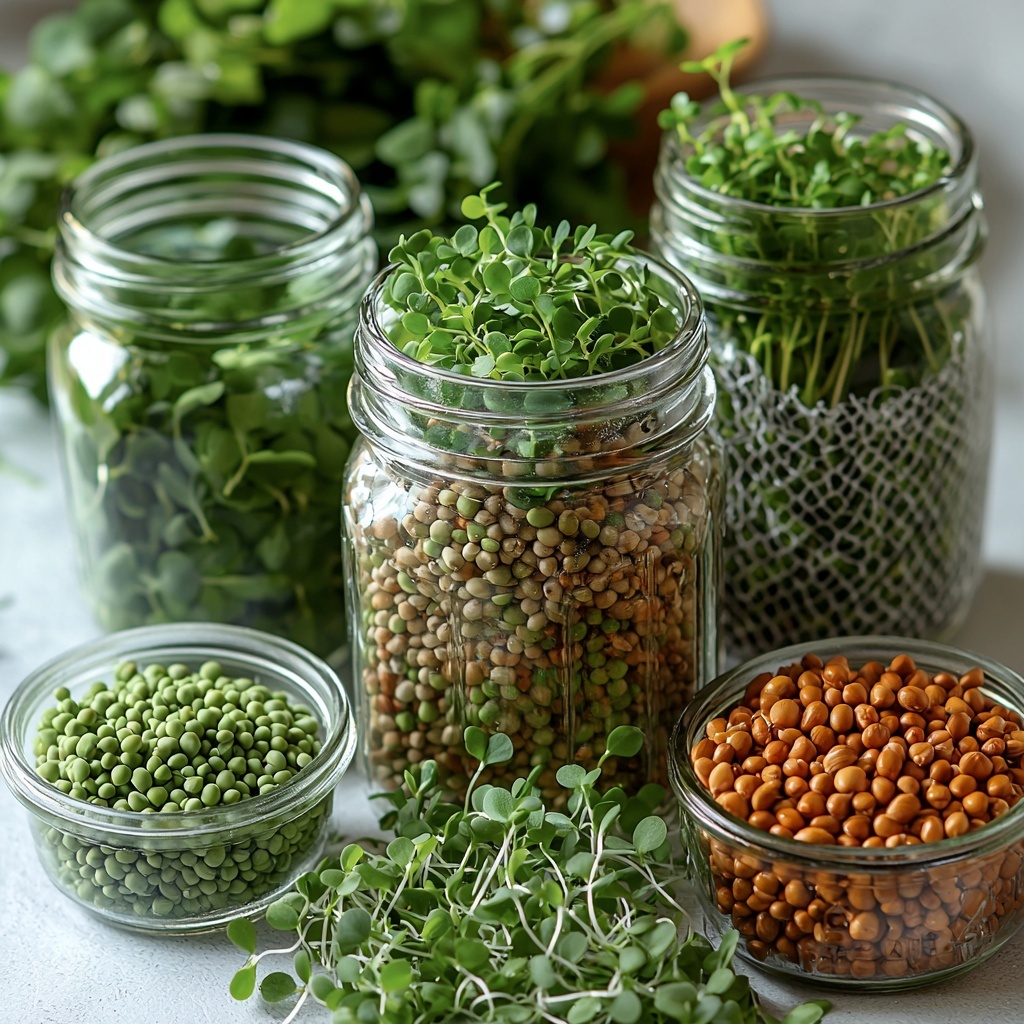
- Sprout Seeds: Choose high-quality seeds specifically meant for sprouting, such as alfalfa, radish, or broccoli, for the best flavor and growth.
- Water: Clean, fresh water is critical for rinsing and hydrating your seeds to encourage healthy germination.
- Mason Jars with Mesh Lids: These jars are perfect for sprouting because they allow for easy rinsing and ideal drainage to prevent mold.
How to Make How to Grow Micro Sprouts Recipe
Step 1: Prepare Your Sprouting Environment
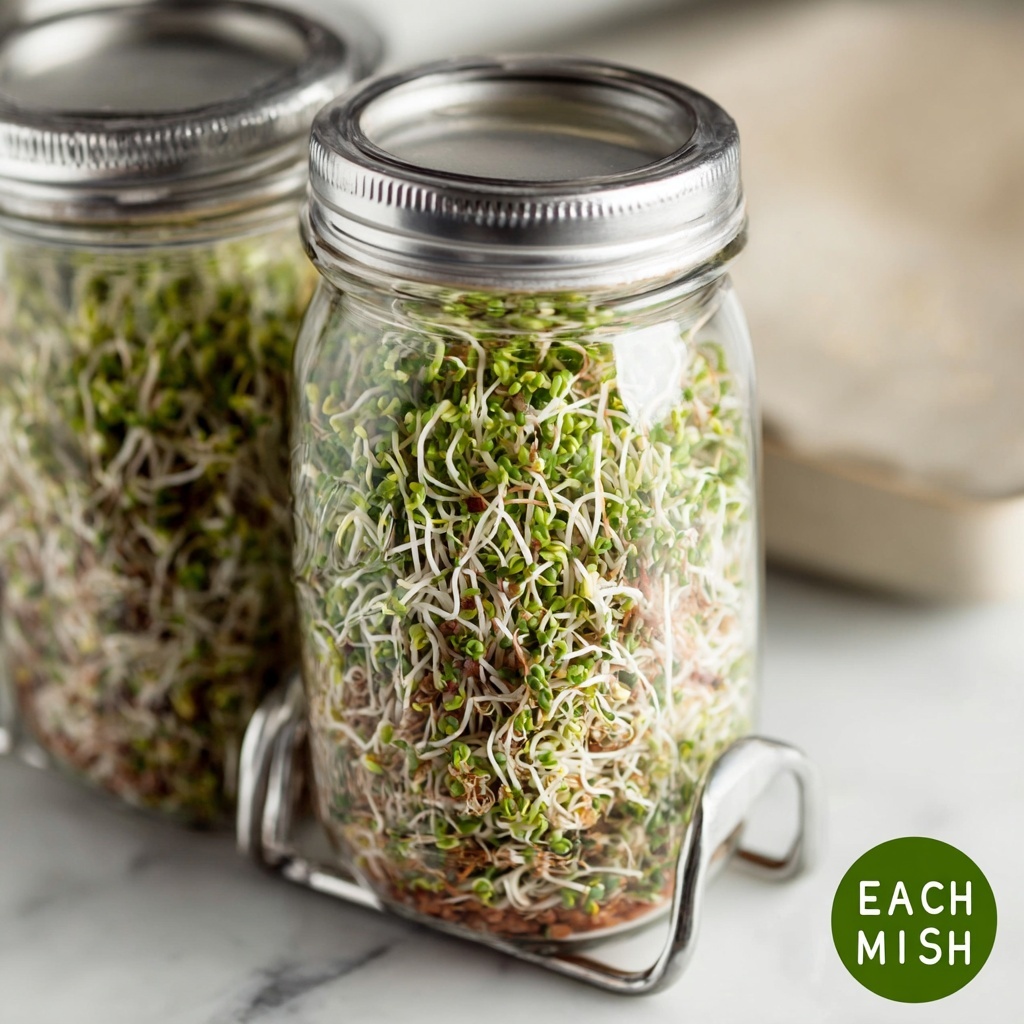
Start with a quality sprout kit or your own setup by using two large mason jars equipped with mesh netting lids. This simple tool ensures good airflow and excellent drainage, preventing mold or disease while your sprouts begin their amazing transformation.
Step 2: Soak Your Seeds Overnight
Many seeds thrive after a good soak, so place them in water and let them rest overnight. This softens the seed coat, speeding up germination and increasing your sprout yield. In the morning, rinse them thoroughly and drain off any excess water to keep things fresh.
Step 3: Distribute Seeds Inside the Jar
Gently roll the jar so seeds stick evenly around the sides, maximizing their exposure to air but keeping moisture levels just right. By the third day, you’ll notice the first signs of life as your seeds begin to sprout.
Step 4: Rinse Regularly
To keep your sprouts thriving, rinse them twice daily, once in the morning and once at night. This keeps the seeds moist but clean and reduces the risk of harmful bacteria.
Step 5: Maintain the Ideal Temperature
Sprouts prefer a cozy climate between 60 and 75 degrees Fahrenheit. Keep your jars in a room where the temperature stays steady, avoiding cold drafts or extreme heat which can stunt growth.
Step 6: Move to Bright Light
After seeds have germinated and begun growing, place them where they can soak up sunlight, such as a sunny windowsill, or under fluorescent grow lights. This exposure helps your micro sprouts develop vibrant colors and stronger flavors.
Step 7: Keep Your Sprouts Fresh
Once grown, store unused microgreens in the refrigerator to maintain their freshness and crunch. This way, you can enjoy your homegrown goodness for days to come.
Step 8: Harvest and Enjoy
After about a week, your mason jar will be bursting with lush, beautiful microgreens ready to brighten up any meal. Snip them off just above the roots and savor the fresh, tender leaves packed with flavor and nutrients.
How to Serve How to Grow Micro Sprouts Recipe
Garnishes
Micro sprouts add an instant pop of color and texture on almost any plate. Sprinkle them over salads, soups, or avocado toast for a fresh, peppery zest that enlivens every bite.
Side Dishes
Pair your micro sprouts with simple dishes like roasted vegetables or grain bowls to add complexity and crunch. They’re excellent tossed into pasta for a burst of freshness just before serving.
Creative Ways to Present
Think beyond the plate by blending your sprouts into homemade pestos or smoothies, or layering them in sandwiches and wraps. Their delicate, fresh flavor complements so many different cuisines and presentation styles.
Make Ahead and Storage
Storing Leftovers
Keep any leftover micro sprouts refrigerated in a loosely sealed container to preserve their crispness and flavor for up to a week. Avoid washing until ready to use, as moisture can lead to spoilage.
Freezing
Freezing micro sprouts isn’t recommended because it drastically changes their texture and can make them limp upon thawing. Enjoy them fresh for the best taste and nutrition.
Reheating
Micro sprouts are best eaten raw to retain their nutrients and crunch, so avoid reheating. Add them as a finishing touch after cooking to maintain their bright flavor.
FAQs
How long does it take to grow micro sprouts?
Typically, you’ll see sprouts ready to harvest within 5 to 7 days, depending on the seed type and growing conditions.
Do I need special equipment to grow micro sprouts?
While sprout kits make the process easy, all you really need are clean jars and mesh lids or breathable cloth to get started.
Can I use any seeds for sprouting?
Only seeds labeled as safe for sprouting should be used, as others might be treated with chemicals or may not germinate safely indoors.
What’s the best way to avoid mold when growing sprouts?
Regular rinsing and proper drainage are key, as well as keeping your growing environment clean and at the right temperature.
Are micro sprouts nutritious?
Absolutely! Micro sprouts are packed with concentrated vitamins, minerals, and antioxidants, often exceeding the nutrient content of mature greens.
Final Thoughts
Jumping into How to Grow Micro Sprouts Recipe is such a rewarding experience that brings fresh, healthy greens straight to your table with minimal effort. It’s a little touch of nature’s magic you can enjoy every day. Give it a try—your taste buds and your body will thank you!
Print
How to Grow Micro Sprouts Recipe
- Prep Time: 10 minutes plus overnight soaking
- Cook Time: 0 minutes (no cooking involved)
- Total Time: 7 days
- Yield: Varies depending on seed quantity, typically yields about 1-2 cups of microgreens per jar
- Category: Growing
- Method: No-Cook
- Cuisine: Universal
- Diet: Vegan
Description
Learn how to grow fresh, nutritious micro sprouts at home using simple materials like mason jars and sprout seeds. This easy guide shows the step-by-step process to get healthy microgreens ready in about a week, perfect for adding a crunchy, vitamin-rich boost to your meals.
Ingredients
Sprout Seeds
- Sprout seeds (such as alfalfa, broccoli, radish, or mung beans) – amount as needed for mason jar
Instructions
- Prepare Your Sprouting Jars: Use large mason jars fitted with mesh netting lids designed for sprouting. These lids allow proper drainage when rinsing, preventing mold and disease formation.
- Pre-Soak Your Seeds: Soak your sprout seeds in water overnight (or a few hours depending on seed type) to improve germination rates. In the morning, rinse and drain off the excess water.
- Spread Seeds in Jar: Gently roll the jar to distribute the seeds evenly against the sides. This promotes even sprouting and better air circulation.
- Rinse Regularly: Rinse the seeds twice daily, morning and night, to keep them hydrated and clean, draining thoroughly each time.
- Maintain Temperature: Keep the jars in an environment between 60-75°F to ensure optimal sprouting conditions.
- Provide Light After Germination: Once sprouts start to grow, move the jar to a well-lit area such as a sunny windowsill or under fluorescent grow lights to encourage green growth.
- Harvest and Store: After about 7 days, your microgreens will be ready to harvest. Store any unused sprouts in the refrigerator to maintain their freshness.
Notes
- Use clean jars and lids to prevent contamination.
- Ensure thorough drainage after rinsing to avoid mold growth.
- Different seeds may require different soaking times; check seed packet recommendations.
- If sprouts develop off odors or mold, discard and start over.
- Harvest sprouts when they have a few small leaves for best flavor and texture.