If you’re seeking a delightful, chewy treat that’s both traditional and incredibly satisfying, then you’re in for a real joy with this Shiratama Dango (Rice Dumplings/Mochi Balls) Recipe. These soft little rice dumplings are wonderfully versatile, tender yet springy, and pair beautifully with sweet and nutty flavors. Whether you want a quick snack or a charming dessert, this recipe brings the authentic taste and texture of Japan right into your kitchen in just minutes.
Ingredients You’ll Need
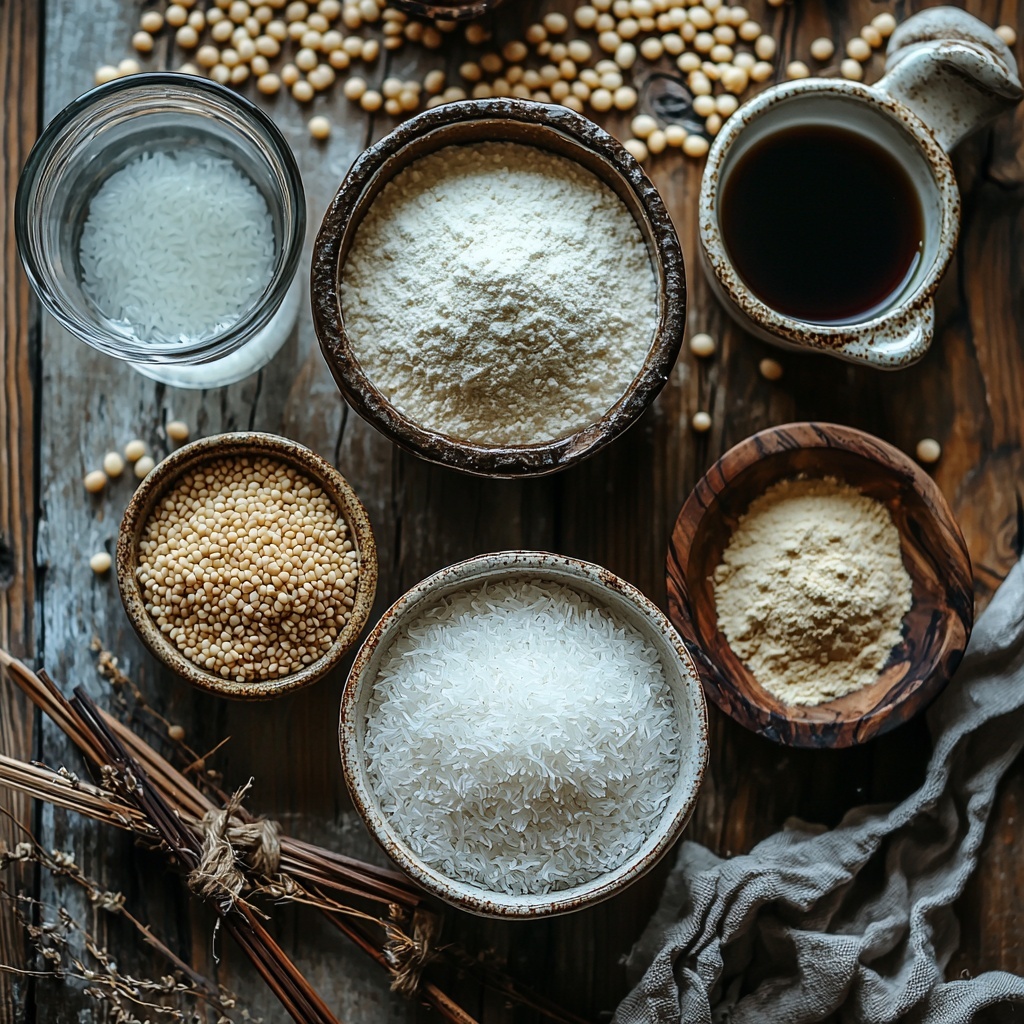
Creating the perfect Shiratama Dango calls for just a handful of simple ingredients that come together to create that signature chewy texture and subtle rice flavor. Each ingredient plays a vital role in crafting dumplings that are tender, bouncy, and utterly delicious.
- 100 g glutinous rice flour (shiratamako): This is the star ingredient giving the dumplings their classic soft and chewy texture.
- 90 ml water (approx): Adds moisture gradually to achieve the perfect dough consistency without being too sticky or dry.
- 90 g glutinous rice flour (mochiko): Combined with potato starch, it provides a complementary texture variation for contrast.
- 10 g potato starch (katakuriko) or tapioca starch: Helps lighten the dough, offering a subtle crispness in the bite.
- 80 ml water (approx): This water is for mixing mochiko and starch into a cohesive dough.
- Dark brown sugar syrup (kuromitsu) for serving: Adds a deep, caramel-like sweetness that beautifully complements the mild dumplings.
- Roasted soybean powder (kinako) for serving: Nutty and fragrant, it adds an irresistible coating and texture contrast.
How to Make Shiratama Dango (Rice Dumplings/Mochi Balls) Recipe
Step 1: Prepare the Doughs
Start by whisking 100 g of glutinous rice flour (shiratamako) in a bowl to loosen any lumps. Slowly add about 90 ml of water, mixing steadily until it comes together into a smooth dough that isn’t too sticky. In a separate bowl, mix 90 g of mochiko with 10 g of potato starch, then gradually add around 80 ml of water to form a slightly firmer dough. These two doughs will give you delightful textural variety when cooked.
Step 2: Shape the Dumplings
Once your doughs are ready, roll each into long cylinders. Cut these into small, bite-sized pieces. Then, gently roll each piece into a round ball and press a slight dent into the center to help them cook evenly and look charmingly traditional.
Step 3: Cook the Dumplings
Bring a large pot of water to a rolling boil. Using chopsticks or a slotted spoon, carefully drop your dumplings into the water one by one. As they cook, the dumplings will initially sink and then slowly rise to the surface, indicating they are nearly done—usually about 3 minutes. Let them pop up and cook for another 30 seconds to ensure the centers are cooked through.
Step 4: Cool and Prepare for Serving
Once cooked, immediately transfer the dumplings into a bowl of ice-cold water. This step stops the cooking process and firms up their chewy texture to perfection. Drain gently before serving with your preferred toppings.
How to Serve Shiratama Dango (Rice Dumplings/Mochi Balls) Recipe
Garnishes
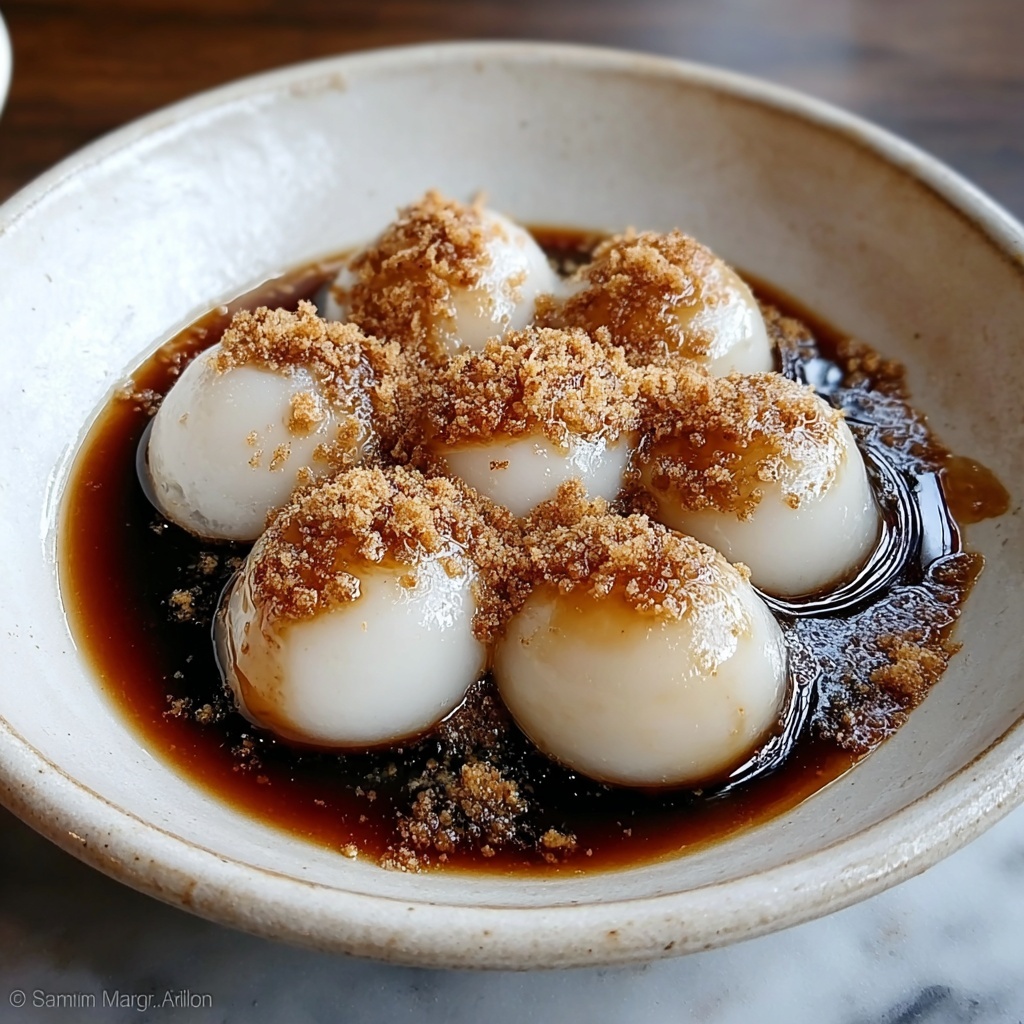
The beauty of Shiratama Dango lies in how simple garnishes elevate them into something extraordinary. Drizzle generous amounts of dark brown sugar syrup (kuromitsu) over the dumplings for a luscious sweetness. Then, dust them with roasted soybean powder (kinako) to introduce a fragrant, nutty warmth that perfectly balances the syrup’s richness.
Side Dishes
Pair your dumplings with a cup of warm green tea or matcha for a classic Japanese tea-time experience. For a more indulgent touch, serve alongside fresh fruit like strawberries or sliced melon to add freshness and color to your plate.
Creative Ways to Present
Feeling playful? Stack the dumplings on skewers for easy snacking or arrange them in a chilled bowl with red bean paste for a traditional kakigori-inspired treat. Add a scoop of ice cream or pour over some sweetened condensed milk to turn your Shiratama Dango into an irresistible dessert parfait.
Make Ahead and Storage
Storing Leftovers
If you do have leftover Shiratama Dango, place them in an airtight container and refrigerate. They are best enjoyed within 1-2 days as the texture can become firmer and less chewy over time.
Freezing
While freezing is possible, it’s not ideal for maintaining that perfect chewy texture. If you must freeze, lay the dumplings flat on a tray to freeze individually before storing them in a sealed bag. Thaw in the refrigerator and gently reheat in hot water before serving.
Reheating
To revive the softness of your chilled or thawed dumplings, briefly immerse them in boiling water until they float back to the surface—just like during the original cooking process. Avoid microwaving, as it can make them tough.
FAQs
What makes Shiratama Dango different from other mochi?
Shiratama Dango specifically uses glutinous rice flour called shiratamako, resulting in smaller, softer, and more tender rice balls compared to traditional mochi, which is often denser and chewier.
Can I use regular rice flour for this recipe?
Regular rice flour lacks the sticky qualities of glutinous rice flour, so it won’t yield the characteristic chewy texture needed for Shiratama Dango. It’s best to stick with shiratamako or mochiko for authentic results.
Is it necessary to use two different flours in this recipe?
Using both shiratamako and mochiko offers a slight texture contrast and can make the dumplings less sticky, but you can use shiratamako alone for a simpler dough if you prefer.
How do I know when the dumplings are fully cooked?
Dumplings will sink when first added to boiling water, then rise to the surface as they cook. Once they float, cook for an additional 30 seconds to a minute to ensure the center is cooked through.
Can Shiratama Dango be made gluten-free?
Yes! Since glutinous rice flour contains no wheat gluten, this recipe is naturally gluten-free. Just be sure that any additional toppings like kuromitsu syrup do not contain gluten.
Final Thoughts
I’m so excited for you to try this Shiratama Dango (Rice Dumplings/Mochi Balls) Recipe and discover how incredibly easy and fulfilling it is to make your own chewy rice dumplings that taste just like from a cozy Japanese sweet shop. Share these lovely morsels with friends and family—you might just start a delicious tradition!
Print
Shiratama Dango (Rice Dumplings/Mochi Balls) Recipe
- Prep Time: 15 minutes
- Cook Time: 5 minutes
- Total Time: 20 minutes
- Yield: 4 servings (approximately 12 dumplings)
- Category: Dessert
- Method: Boiling
- Cuisine: Japanese
Description
Shiratama Dango are traditional Japanese rice dumplings made from glutinous rice flours, offering a chewy and soft texture. These delightful mochi balls are boiled until they float and typically served with sweet kuromitsu syrup and roasted soybean powder (kinako), making for a comforting and authentic Japanese dessert perfect for sharing.
Ingredients
Shiratama dough
- 100 g glutinous rice flour (shiratamako)
- 90 ml water (approximately)
Mochiko dough
- 90 g glutinous rice flour (mochiko)
- 10 g potato starch (katakuriko) or tapioca starch
- 80 ml water (approximately)
For serving
- Dark brown sugar syrup (kuromitsu)
- Roasted soybean powder (kinako)
Instructions
- Prepare Shiratama dough: In a mixing bowl, combine 100 g of glutinous rice flour (shiratamako) and whisk to aerate and blend evenly. Gradually add about 90 ml of water while mixing until a smooth, pliable dough forms that is not too sticky or dry.
- Prepare Mochiko dough: In a separate bowl, mix 90 g glutinous rice flour (mochiko) with 10 g potato starch or tapioca starch. Slowly add approximately 80 ml water and knead until a similar soft dough consistency is achieved.
- Shape the dumplings: Roll each dough into cylindrical shapes, then cut them into small uniform pieces. Take each piece and gently roll into a smooth ball, pressing a small dent in the center of each to shape and improve texture.
- Boil the dumplings: Bring a pot of water to a rolling boil. Using chopsticks, carefully place the dumplings into the boiling water one by one to avoid sticking. Boil for about 3 minutes or until the dumplings float to the surface, indicating they are cooked through.
- Cool the dumplings: Prepare an ice bath with cold water. Using a slotted spoon, transfer the cooked dumplings into the ice water to immediately cool and firm up their chewy texture before serving.
- Serve: Drain the cooled dumplings and serve them topped with sweet dark brown sugar syrup (kuromitsu) and a sprinkle of roasted soybean powder (kinako) for an authentic and delicious finish.
Notes
- Use glutinous rice flours specifically labeled shiratamako and mochiko for best results; they have slightly different textures.
- The small dent in each ball helps the dumplings cook evenly and hold sauce better.
- Be careful not to overcook; dumplings will become too soft if boiled excessively.
- Serving with kuromitsu and kinako adds authentic sweetness and nutty flavor, but you may substitute with honey or maple syrup if preferred.
- These dumplings are best enjoyed fresh on the day of making but can be stored in an airtight container in the fridge for up to 1 day.