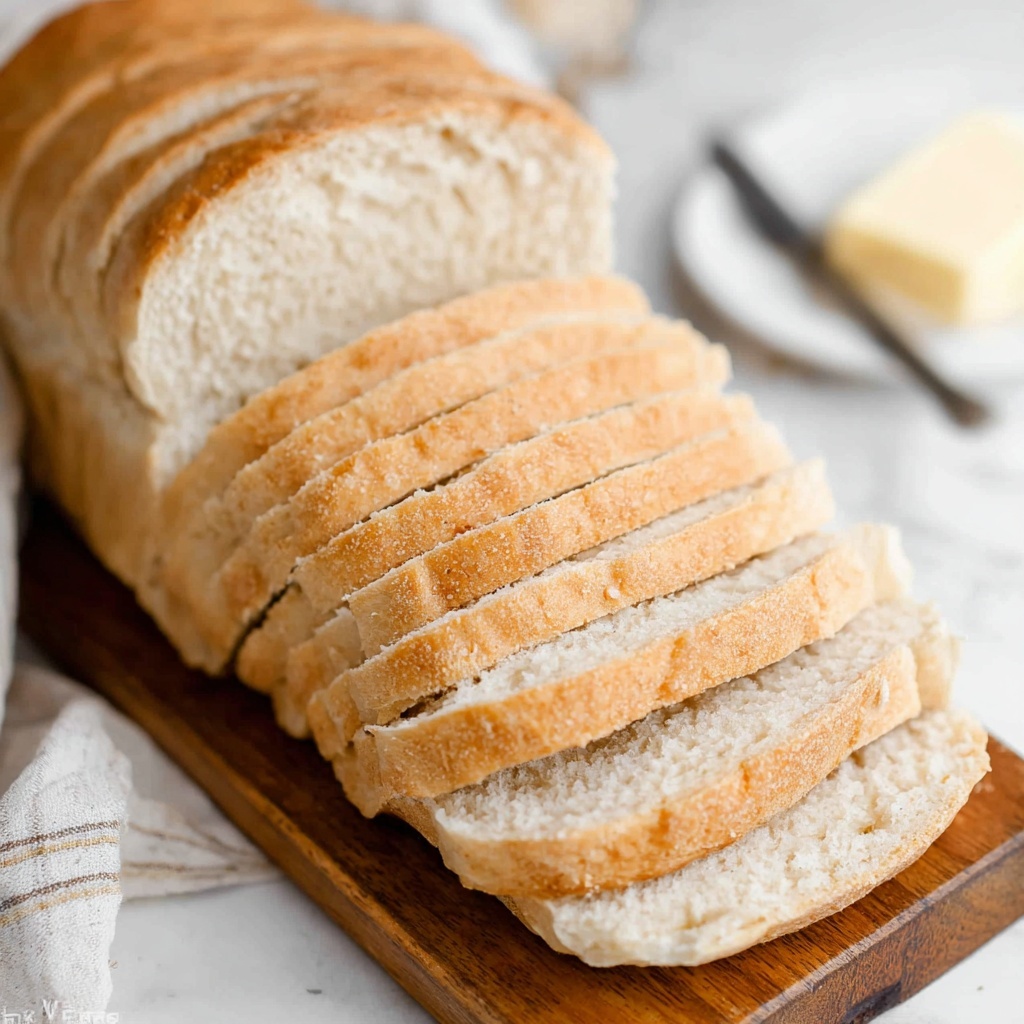
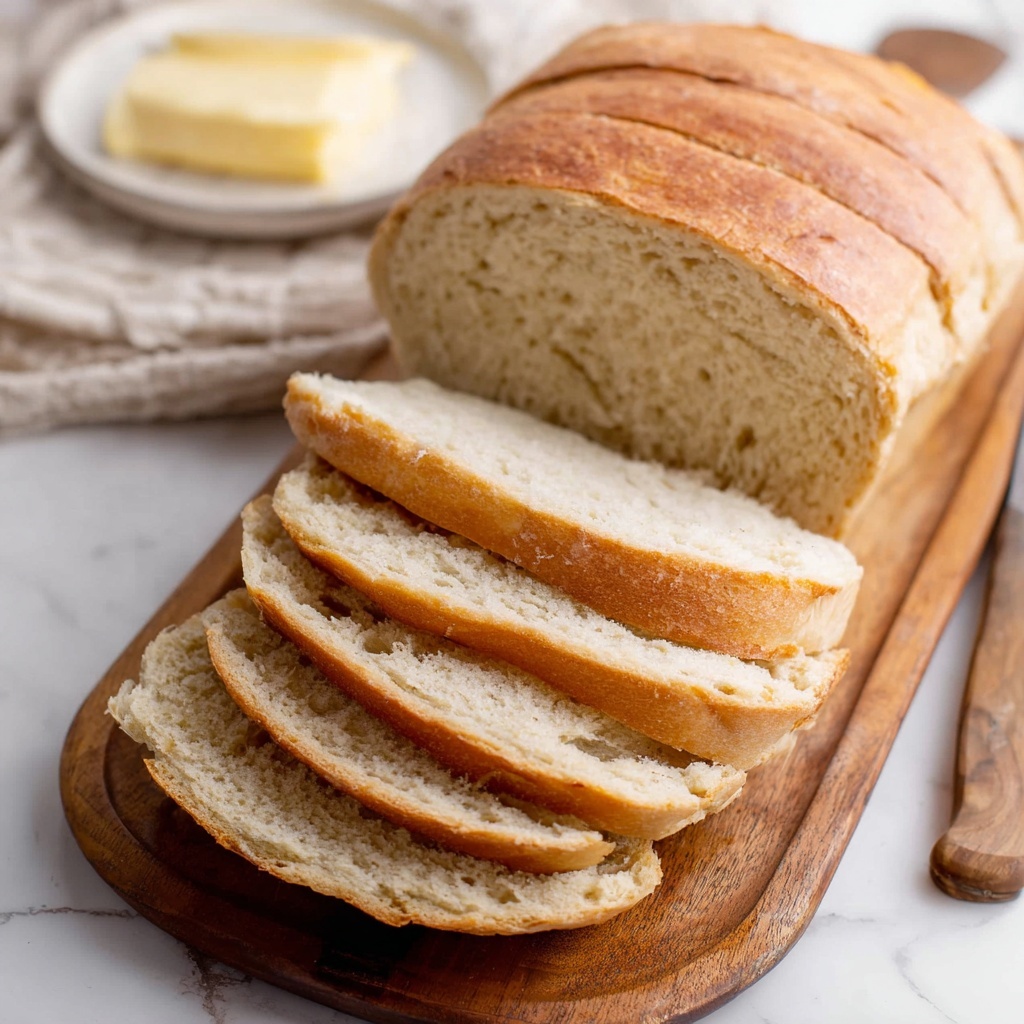
If you have ever dreamed of making warm, soft, and delightfully crusty homemade bread right in your kitchen, this Skillet Bread Recipe is just what you need. It’s the perfect combination of fluffy interior and golden crust created effortlessly using a cast iron skillet. This bread is so approachable and satisfying that it will quickly become a staple for everything from breakfast to dinner. The mix of simple ingredients working together produces a loaf bursting with flavor, texture, and that irresistible homemade charm you can’t find at the store.
Ingredients You’ll Need
This Skillet Bread Recipe shines because of its straightforward, pantry-friendly ingredients, each carefully chosen to bring out the best texture and flavor. Together, they create a bread that’s tender inside with a perfectly crisp crust.
- 1½ cups water (342 grams, warm 105-110°F): The ideal temperature activates the yeast without killing it, helping the bread rise beautifully.
- 2 tablespoons granulated sugar (25 grams): Feeds the yeast and adds a hint of sweetness that balances the bread’s flavor.
- 2½ teaspoons active dry yeast (7 grams or 1 envelope): The magic that leavens the dough and gives it that lovely fluffiness.
- 2 tablespoons unsalted butter (28 grams, melted and cooled): Adds richness and moisture, making the bread soft and tender on the inside.
- 1 tablespoon honey (22 grams): A natural sweetener that complements the sugar and encourages a golden crust.
- 1 teaspoon kosher salt (3 grams): Enhances all the flavors and balances the sweetness perfectly.
- 3½ cups all-purpose flour (420 grams, plus more as needed): The base of the bread, providing structure with a soft crumb when kneaded correctly.
How to Make Skillet Bread Recipe
Step 1: Bloom the Yeast
Start by whisking the warm water and sugar in a mixing bowl, creating the perfect welcoming environment for your yeast. Sprinkle the yeast on top and give it 5 minutes to bloom—this is the crucial step where the yeast wakes up and gets ready to work its magic on your dough.
Step 2: Combine the Ingredients
Once the yeast is foamy and active, stir in melted butter, honey, and salt. These ingredients enrich the dough, lending this bread its tender crumb and subtle sweetness. Gradually mix in the flour to bring the dough together — it will start looking a bit shaggy but that’s exactly what you want.
Step 3: Knead the Dough
If you have a stand mixer, use the dough hook for about 5-6 minutes, adding flour sparingly to prevent sticking without making the dough stiff. Kneading by hand takes a bit longer, about 8-10 minutes, but it’s a rewarding process that builds the gluten needed for a great rise. You’re aiming for a dough that’s tacky but not sticky.
Step 4: First Rise
Shape your dough into a ball and place it in a greased or lightly oiled bowl. Cover it tightly with plastic wrap and let it rise at room temperature until doubled in size, about 2 hours. This patient step is essential as it develops the flavor and airy texture.
Step 5: Prepare for Baking
Preheat your oven to 400°F and generously spray an 8-inch cast iron skillet with nonstick spray. On a floured surface, gently turn out your risen dough and knead it a few times to remove any large air bubbles. Shape it into a neat ball and place it in the skillet, gently pressing it so it covers the base.
Step 6: Score and Bake
Using a very sharp knife, score the top of your dough in your preferred design—this allows the bread to expand nicely in the oven. Bake for 20-25 minutes, or until the crust is a beautiful golden brown and the loaf sounds hollow when tapped. Don’t forget to let it rest for at least 15 minutes before slicing; this helps the crumb set perfectly.
How to Serve Skillet Bread Recipe

Garnishes
This Skillet Bread Recipe shines best when topped simply — pat of room temperature butter melting into warm slices, a drizzle of honey, or a sprinkle of flaky sea salt immediately elevates each bite. Fresh herbs or a brush of garlic butter can also add a lovely twist.
Side Dishes
Thanks to its soft texture and golden crust, this bread pairs beautifully with soups like tomato bisque or hearty stews. It’s equally delightful alongside cheeses, charcuterie, or as a base for avocado toast. The versatility is just another reason you’ll want to keep this recipe close.
Creative Ways to Present
Serve your skillet bread as a centerpiece at brunch stacked with scrambled eggs and smoked salmon, or slice it and toast the pieces for homemade bruschetta with vibrant toppings like fresh tomatoes and basil. This bread’s rustic charm lends itself to so many exciting presentations!
Make Ahead and Storage
Storing Leftovers
Wrap any leftover bread tightly in plastic wrap or place it in an airtight container at room temperature. It will stay fresh and soft for 2 to 3 days, perfect for snacking or making sandwiches.
Freezing
Skillet bread freezes wonderfully. Slice it first if you want to take out just a piece or two at a time. Wrap it well with plastic wrap and then foil or place it in a freezer bag. It can be frozen for up to 3 months without losing its great texture.
Reheating
To bring that fresh-baked warmth back to life, reheat slices in a toaster or wrapped in foil in a 350°F oven for about 10 minutes. A quick brush with butter after warming makes it taste straight from the oven, no matter how long it’s been stored.
FAQs
What type of skillet should I use for this recipe?
An 8-inch cast iron skillet is ideal because it distributes heat evenly, helping the bread develop a perfect crust while keeping the inside soft and tender.
Can I use instant yeast instead of active dry yeast?
Yes! If you use instant yeast, you can mix it directly with the flour without blooming first, but keep the quantity the same for consistent results.
Why is my bread dense instead of fluffy?
Dense bread can result from adding too much flour or not kneading long enough. Be sure to knead until the dough is tacky but not sticky, and avoid overloading with flour.
Can I add herbs or spices to this bread dough?
Absolutely! Mix in fresh herbs like rosemary or thyme, or spices such as garlic powder during the mixing stage for a flavorful twist on your Skillet Bread Recipe.
How do I know when the bread is fully baked?
The top should be golden brown and, when tapped, the loaf will sound hollow. You can also check the internal temperature with a thermometer—it should reach around 190-200°F.
Final Thoughts
This Skillet Bread Recipe is not only a fabulous way to enjoy homemade bread but also a joyful and approachable baking experience that anyone can master. With simple ingredients and clear steps, you’ll soon discover that baking your own bread is as rewarding as it is delicious. Give it a try and watch how your kitchen fills with the warm, comforting aroma that only fresh-baked bread can bring.
Print
Skillet Bread Recipe
- Prep Time: 15 minutes
- Cook Time: 20-25 minutes
- Total Time: 2 hours 40 minutes
- Yield: 10 slices (1 loaf)
- Category: Bread
- Method: Baking
- Cuisine: American
Description
This Skillet Bread Recipe yields a soft, golden brown, and delicious loaf perfect for any meal. Made with simple ingredients like yeast, flour, honey, and butter, it is baked in a cast iron skillet to create a rustic crust while keeping the inside tender and fluffy. Ideal for beginners and bread enthusiasts alike, this bread pairs wonderfully with butter, honey, or your favorite spreads.
Ingredients
Wet Ingredients
- 1½ cups water (342 grams, warm 105-110°F)
- 2 tablespoons unsalted butter (28 grams, melted and cooled)
- 1 tablespoon honey (22 grams)
Dry Ingredients
- 2 tablespoons granulated sugar (25 grams)
- 2½ teaspoons active dry yeast (7 grams, 1 envelope)
- 1 teaspoon kosher salt (3 grams)
- 3½ cups all-purpose flour (420 grams, plus more as needed)
Instructions
- Activate the yeast: Whisk the warm water and sugar together in the bowl of a stand mixer or a regular bowl if kneading by hand. Sprinkle the yeast on top and let it bloom for 5 minutes until foamy.
- Combine ingredients: Stir in the melted butter, honey, and kosher salt. Gradually add 3½ cups of all-purpose flour while mixing.
- Knead the dough: Knead the dough using a stand mixer fitted with a dough hook for 5-6 minutes, adding a little flour if the dough sticks to the sides—avoid adding too much flour to keep the bread tender. If kneading by hand, knead for 8-10 minutes, dusting lightly with flour when sticky. The dough should feel tacky but not wet.
- First rise: Shape the dough into a ball and place it into a large bowl. Cover with plastic wrap and let it rise at room temperature for about 2 hours, or until it has doubled in size.
- Prepare for baking: Preheat your oven to 400°F (204°C). Spray an 8-inch cast iron skillet with nonstick spray and set aside. Flour a clean surface and turn the risen dough out onto it. Knead it a few times, then tuck the ends inward and form it into a tight ball.
- Shape in skillet: Place the dough ball into the prepared skillet. Gently press it out to fill the pan and use a very sharp knife to score the top with your preferred design to help vent steam during baking.
- Bake: Bake the dough in the preheated oven for 20-25 minutes or until the top is a deep golden brown, indicating it is cooked through.
- Cool and serve: Let the bread rest in the skillet for at least 15 minutes before slicing. Serve warm or at room temperature with butter and honey if desired.
Notes
- The dough temperature is key; ensure water is warm but not hot to properly activate yeast.
- Use a sharp knife to score the dough to prevent tearing and enhance the bread’s appearance.
- Cast iron skillet helps create an even crust and retains heat well during baking.
- Allowing the bread to cool before slicing prevents a gummy texture inside.
- Store leftover bread wrapped in plastic at room temperature for up to 3 days or freeze slices for longer storage.